
If you’re an e-commerce business owner, chances are you’ve heard the term “3PL.” But what is a 3PL, what does third-party logistics involve, and why is it so essential to your business?
In today’s competitive e-commerce landscape, logistics is more than just a background operation—it’s the heartbeat of your business. With giants like Amazon setting the bar for fast, reliable, and cost-effective deliveries, meeting customer expectations has become more challenging than ever. In fact, 44% of global shoppers anticipate that their orders will arrive within two days, reflecting a growing demand for quick fulfillment in e-commerce. In North America the same-day delivery market size is expected to reach 14.63 billion USD by 2030, growing at a CAGR of 6.09% during the period of 2024-2030. So, how will the e-commerce business keep up with such demand?
This is where third-party logistics (3PL) providers step in as your ultimate game-changer. 3PL isn’t just about delivering your product to your customer—it’s like having a logistics powerhouse that takes your operations to the next level.
What is a 3PL? Third-Party Logistics Explained
Short for third-party logistics, a 3PL is an outside company that sits between you, the seller, and your customer, handling operations such as order fulfillment, warehousing, inventory management, and transportation. In simple terms, 3PL logistics means handing those day-to-day tasks to a specialist partner. You keep control of your products, pricing and brand, while experts handle the supply chain complexities and you stay focused on your core strengths.
Did You Know? The Canadian 3PL market was valued at approximately $23.1 billion in 2023 and is expected to nearly double to $49.7 billion by 2033, with a CAGR of 8.4%. This highlights how quickly the third-party logistics industry is growing.
How does a 3PL work?
Here is what a 3PL does day to day once you partner with one:
Receiving: You send inventory to the 3PL’s warehouse, where it is checked, counted and logged into their system.
Storage: Products are stored and tracked by SKU, so you can see stock levels in real time.
Order sync: Your online store connects to the 3PL’s software, so new orders reach the warehouse automatically.
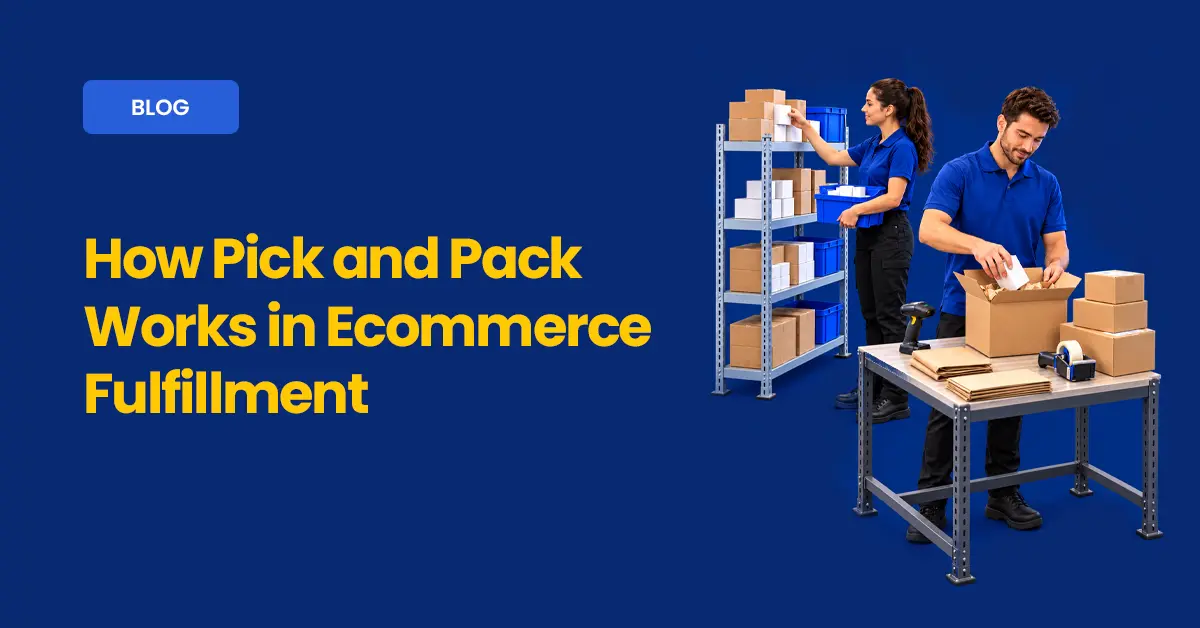
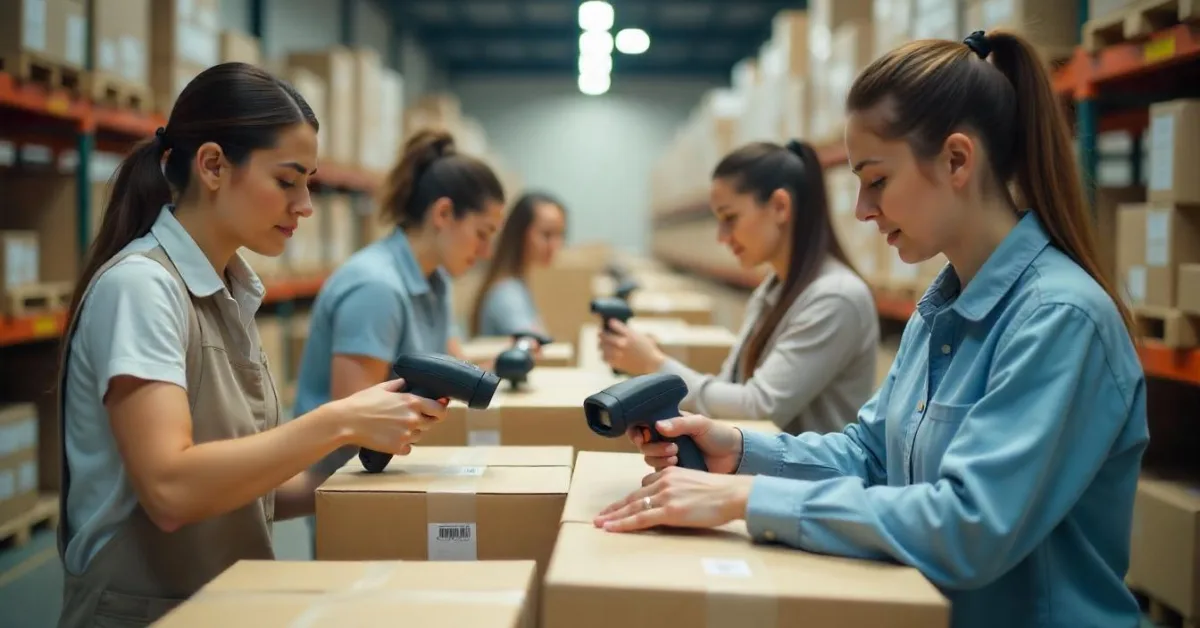
Pick and pack: Warehouse staff pick the right items, pack them securely and label the parcel.
Shipping: The 3PL hands each order to the best carrier for the destination, or delivers it through its own network, and shares tracking with your customer.
Returns: When customers send items back, the 3PL inspects them and restocks or processes them based on your rules.
A brief history of 3PL
The term “third-party logistics” was first introduced in the 1970s when businesses began outsourcing transportation and logistics services to external providers. By the 1980s and 1990s, with globalization and the rise of e-commerce, 3PL providers expanded their services to include warehousing, inventory management, and value-added solutions like packaging and reverse logistics. Today, 3PL providers leverage advanced technologies like automation, big data, and AI to deliver end-to-end logistics solutions tailored to the needs of modern businesses.
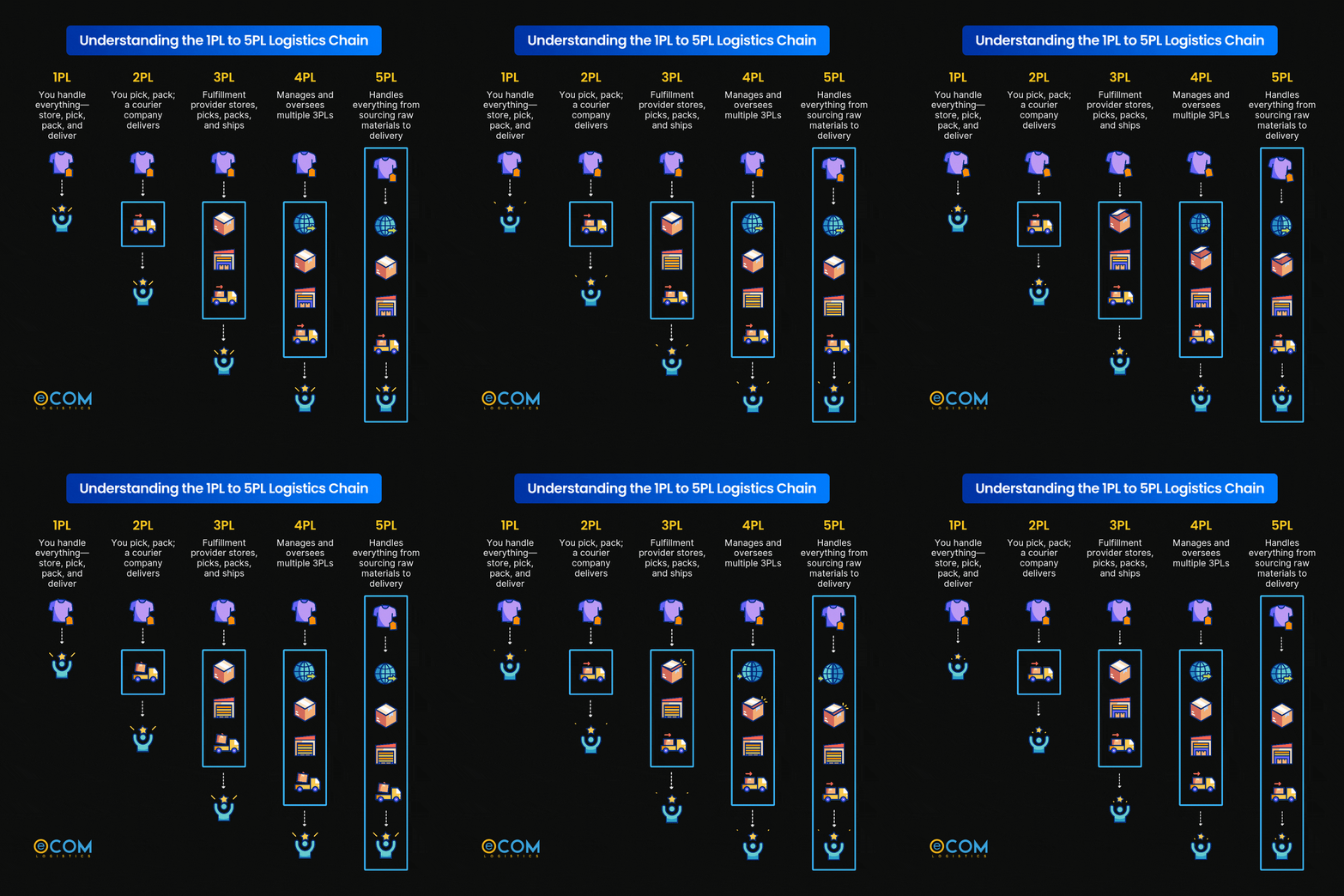
Breaking down logistics levels: 1PL to 5PL
Logistics services are often categorized using the “PL” (party logistics) model, ranging from managing everything in-house (1PL) to outsourcing your entire supply chain (5PL). Here’s a quick breakdown:
Why 3PL is the game-changer
Understanding what a 3PL is becomes important when comparing it with in-house logistics (1PL) or basic outsourced transportation services (2PL), because a 3PL acts as a comprehensive logistics partner. It offers scalability, expertise, and cost-effective solutions that empower businesses to:
- Scale operations efficiently.
- Enter new markets without upfront infrastructure costs.
- Enhance customer satisfaction with faster, accurate deliveries.
For most e-commerce businesses, 3PL service providers remain the go-to solution for balancing efficiency, scalability, and cost. If your business is currently evaluating whether to continue managing logistics internally or transition to a fulfillment partner, our detailed guide on In-house Fulfillment vs Tech-Enabled 3PL breaks down the operational, cost, and scalability considerations involved.
What does a 3PL company actually do?
To better understand what is a 3PL, it helps to look at the wide range of logistics services these providers offer to simplify and optimise operations. Let’s explore the main types of 3PL services and what each one involves:
1. Comprehensive logistics services
A hallmark of 3PL providers is their ability to consolidate multiple logistics functions into a single solution, allowing businesses to offload complex and time-consuming tasks. These services often include:
- Warehousing and storage solutions:
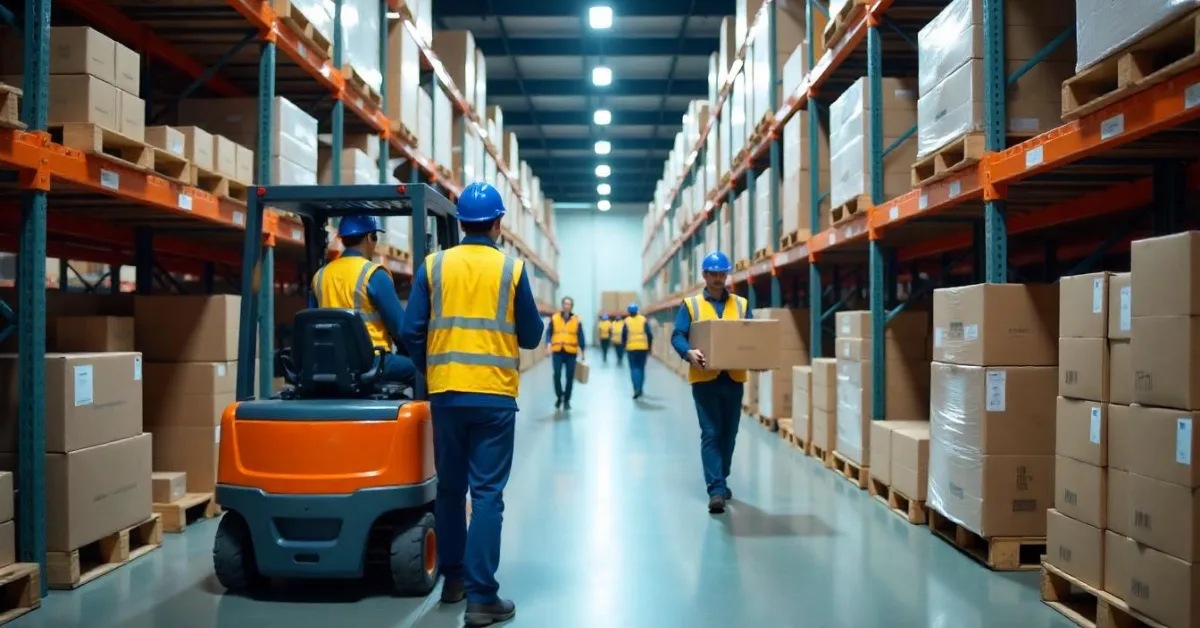
3PL companies offer tailored warehousing services, from climate-controlled facilities for perishable goods to high-security storage for high-value items. Many of them operate strategically located warehouses to optimize shipping routes and reduce delivery times. - Order fulfillment:
This involves picking products from inventory, packing them securely, and shipping orders directly to customers. 3PL providers focus on accuracy and speed to ensure customer satisfaction, integrating seamlessly with e-commerce platforms like Shopify. - Transportation management:
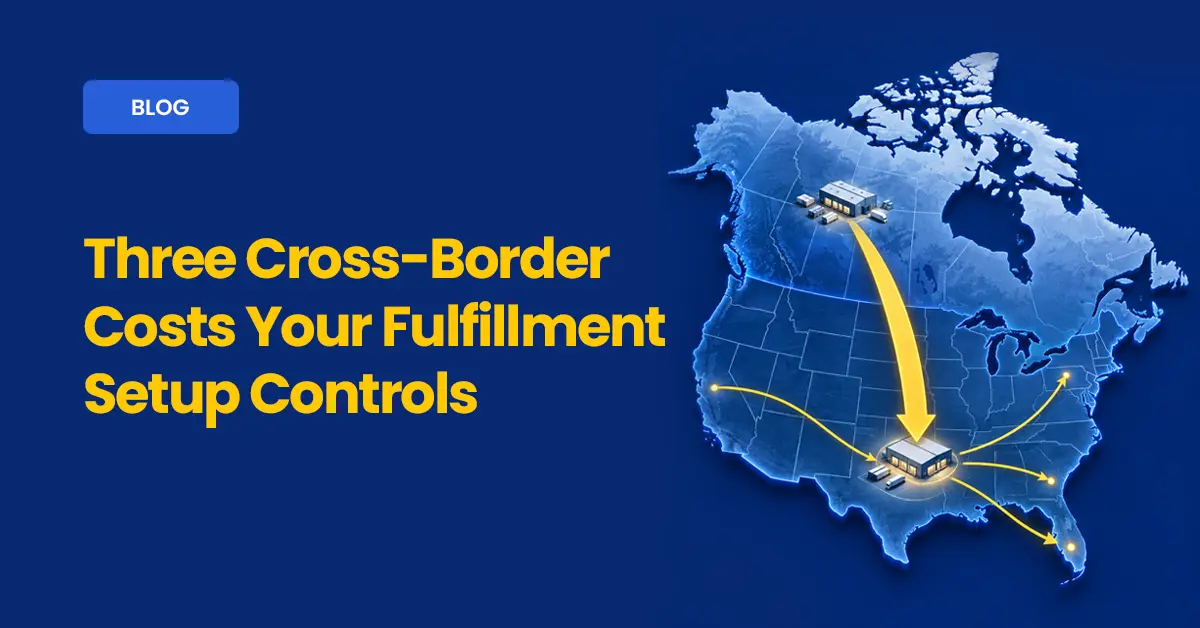
Efficient transportation is the backbone of any supply chain, and 3PL companies leverage their networks of carriers to secure cost-effective and timely deliveries. They manage everything from last-mile delivery to cross-border shipments. - Inventory management:
Real-time tracking of inventory ensures businesses avoid overstocking or stockouts. Sophisticated inventory management systems (IMS) employed by 3PL companies provide data-driven insights into purchasing trends and inventory turnover rates.
2. Advanced technology integration
Modern 3PL providers are heavily reliant on technology to improve efficiency, transparency, and customer satisfaction. Some of the most impactful technological tools include:
- Warehouse Management Systems (WMS):
These systems automate inventory tracking, order processing, and stock management. With WMS, businesses can view inventory levels across multiple warehouses in real time. - Transportation Management Systems (TMS):
TMS helps optimize shipping routes, select the best carriers, and ensure on-time deliveries. By automating the transportation process, businesses can save both time and money. - Real-time tracking and visibility:
Many 3PL companies offer tracking tools that provide live updates on the movement of goods. This transparency builds trust with customers and helps businesses stay informed about delays or disruptions. - Data analytics and reporting:
Advanced analytics tools give businesses insights into logistics performance, helping identify bottlenecks, improve delivery times, and reduce costs. For example, analytics can highlight peak order times, enabling better workforce planning.
3. Scalability and flexibility
One of the most significant advantages of working with a 3PL company is scalability. Whether you’re a startup experiencing rapid growth or an established enterprise navigating seasonal demand fluctuations, your 3PL partner can adapt to your needs without requiring significant capital investment.
- Seasonal scalability:
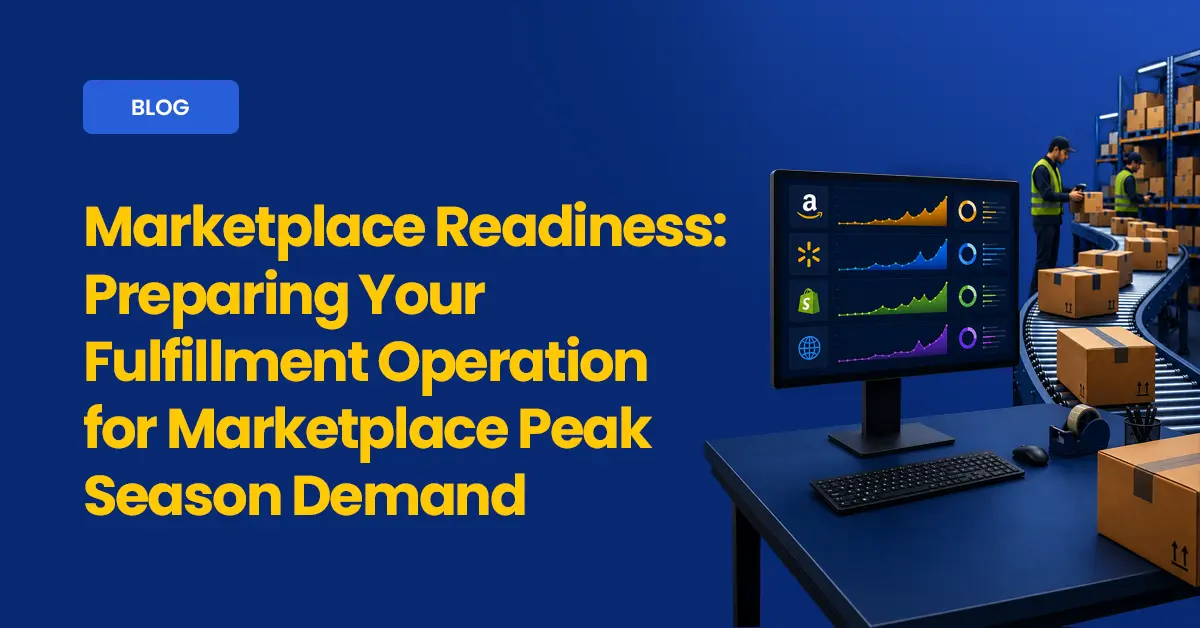
During peak seasons like Black Friday, Cyber Monday, or the holiday shopping period, demand often spikes. 3PL providers can quickly scale up resources to handle higher order volumes without compromising service quality. - Market expansion:
For businesses entering new markets, 3PL companies can offer warehousing and distribution solutions in those regions, reducing the need for upfront investments in infrastructure. - Dynamic resource allocation:
Many 3PL companies operate on a pay-as-you-go model, allowing businesses to only pay for the services they use. This flexibility is particularly beneficial for businesses with fluctuating demand.
4. Cost efficiency
Cost savings are one of the primary reasons businesses partner with 3PL companies. By outsourcing logistics operations, businesses can reduce overhead and operating expenses significantly.
- Reduced infrastructure investment:
Setting up warehouses, hiring staff, and managing fleets can be prohibitively expensive. A 3PL provider eliminates these costs by providing access to pre-established facilities and resources. - Lower shipping costs:
3PL companies often negotiate bulk shipping rates with carriers, passing these savings on to their clients. Additionally, their expertise in route optimization further reduces transportation costs. - Minimized errors:
Advanced technologies and trained personnel reduce errors in order fulfillment, inventory management, and shipping, saving businesses from costly mistakes like incorrect deliveries or stock discrepancies.
5. Value-Added Services
Beyond core logistics, many 3PL providers offer a range of value-added services designed to enhance operational efficiency and improve the customer experience.
- Kitting and assembly:
For businesses that sell products requiring bundling or assembly, 3PL companies offer kitting services where items are grouped, packaged, and labeled as a single unit. - Custom packaging and labeling:
Customized packaging not only ensures product safety but also enhances branding. Many 3PL companies provide packaging and labeling services that comply with regulatory requirements and meet branding standards. - Reverse logistics:
Returns and exchanges are an inevitable part of e-commerce. 3PL providers streamline the reverse logistics process, handling returns efficiently to minimize losses and maintain customer satisfaction.

6. Industry expertise and compliance
3PL providers bring years of experience and specialized knowledge to the table. This expertise is particularly valuable for businesses navigating complex logistics challenges or entering unfamiliar markets.
- Regulatory compliance:
Many 3PL providers stay up-to-date with regulations related to shipping, customs, and environmental standards. For instance, after the U.S. suspended the Section 321 de minimis exemption in August 2025, brands shipping low-value orders across the border began relying on 3PL partners that keep up with changing customs rules. - Risk management:
3PL providers can help you anticipate and mitigate risks such as delivery delays, damaged goods, or supply chain disruptions, ensuring smoother operations. - Strategic insights:
Experienced 3PL service providers often act as logistics consultants, offering strategic advice on optimizing supply chains, reducing costs, and improving delivery times.
7. Sustainability initiatives
Many 3PL providers are integrating sustainability into their operations, reflecting growing consumer and corporate demand for environmentally responsible practices.
- Green transportation:
Some 3PL providers like Ecom employ electric vehicles (EVs) or alternative fuels to reduce carbon emissions during transportation. - Energy-efficient warehousing:
Modern warehouses often incorporate solar panels, LED lighting, and energy-efficient cooling systems to minimize environmental impact. - Sustainable packaging:
Many 3PL companies offer eco-friendly packaging solutions, reducing waste while maintaining product safety.
By outsourcing logistics operations, businesses can focus on their strengths, such as product development, marketing, and customer service. This not only drives growth but also allows internal teams to work more efficiently without being burdened by logistics challenges.
For businesses evaluating different fulfillment approaches, our guide on In-House vs 3PL vs Dropshipping explores how each model compares in terms of scalability, operational control, and long-term growth potential.
Types of third-party logistics providers
Not every 3PL does the same job. Most fall into one or more of these types:
Fulfillment 3PLs: Store inventory and pick, pack and ship online orders. Example: a skincare brand keeps its stock in a 3PL warehouse, and every Shopify order is packed and shipped from there.
Transportation 3PLs: Manage freight and parcel shipping, from choosing carriers to booking loads. Example: a furniture seller uses one to move bulk shipments between warehouses and stores.
Warehousing and distribution 3PLs: Focus on storing goods and moving them to retailers or other facilities. Example: a beverage brand ships pallets to a 3PL that distributes them to grocery chains.
Full-service 3PLs: Combine fulfillment, warehousing, transportation and delivery under one roof. Example: a growing ecommerce brand hands its entire order-to-door process to a single partner.
3PLs can also be asset-based, owning their own warehouses and vehicles, or non-asset-based, coordinating services through a network of partners.
Signs your business needs a 3PL
Knowing what a 3PL does is one thing. Knowing when to bring one in is another. Most brands reach that point when logistics starts taking more time, money or attention than the business can spare. These are the most common signs:
H3: You’re struggling to keep up with order volumes
If packing orders eats up your evenings, or your team falls behind every time a promotion goes live, fulfillment has outgrown your current setup. A 3PL has the staff and space to absorb those spikes without you hiring and training seasonal help.
H3: Shipping delays are affecting customer satisfaction
Late deliveries show up quickly in reviews, support tickets and repeat purchase rates. 3PLs ship from warehouses closer to your customers and work with multiple carriers, which helps orders arrive faster and more reliably.
H3: Managing inventory is becoming overwhelming
Stockouts on best-sellers, overstock on slow movers and spreadsheets that never match what is on the shelf are all signs that inventory needs better systems. A 3PL’s warehouse management system tracks stock by SKU in real time, so you can reorder with confidence.
H3: You’re expanding into new regions or markets
Selling into a new country or region often means longer transit times and more complex customs rules. Instead of opening your own warehouse, you can use a 3PL’s existing facilities and carrier network to reach those customers faster.
H3: Logistics is pulling focus from growth
If you spend more time on boxes, labels and carrier issues than on product, marketing or customers, the cost is bigger than it looks. A 3PL takes these burdens off your plate, allowing you to focus on other areas of your business.
Steps to find the best 3PL partner
Empieza por el trabajo que necesitas delegar. Volumen, dimensiones, requisitos comerciales y destinos permiten comparar proveedores. Los siguientes pasos ayudan a crear una lista corta.
1. Define your business needs
Start by identifying your specific logistics challenges and goals. Consider factors like:
- Order volume and frequency.
- Required services (e.g., fulfillment, transportation, returns management).
- Seasonal demand fluctuations or growth plans.
- Geographic regions you need to serve.
A clear understanding of your requirements will help you narrow down your options.
2. Evaluate their services
Assess potential 3PL providers based on the services they offer. Look for capabilities such as:
- Comprehensive fulfillment (e.g., picking, packing, shipping, and returns).
- Scalability to handle seasonal peaks or expansion into new markets.
- Value-added services like custom packaging or kitting.
Make sure their offerings align with your business needs.
3. Check their technology capabilities
A reliable 3PL partner should leverage advanced technology to enhance efficiency and visibility. Key features to look for include:
- Real-time tracking and reporting tools.
- Warehouse Management Systems (WMS) for inventory visibility.
- Seamless integration with your e-commerce platforms.
- Data analytics for performance insights and optimization.
4. Review their industry expertise
Look for a 3PL provider with a proven track record in your industry. Ask about:
- Experience handling similar products or order volumes.
- Case studies or success stories with businesses like yours.
- Compliance expertise for cross-border shipping or specific regulations.
5. Assess their network and infrastructure
The location of warehouses and the strength of their delivery network can impact shipping times and costs. Ensure the provider has:
- Strategically located facilities near your key markets.
- Robust relationships with reliable carriers for transportation.
- Cross-border capabilities if you ship internationally.
6. Consider scalability and flexibility
Your logistics partner should be able to grow with your business. Confirm they can:
- Handle seasonal spikes or surges in demand.
- Support expansion into new regions or markets.
- Offer flexible service options based on your needs.
7. Look for transparent pricing
Choose a 3PL partner with clear and upfront pricing. Avoid providers with hidden fees by asking for detailed cost breakdowns and service agreements.
8. Evaluate customer support and communication
Strong communication is essential for a successful partnership. Assess:
- Responsiveness and availability of account managers.
- Proactive updates on shipments, inventory, and potential issues.
- Willingness to customize solutions for your business.
9. Prioritize sustainability
If eco-conscious practices align with your brand values, look for a 3PL partner with sustainability initiatives such as:
- Green transportation options like electric vehicles.
- Energy-efficient warehousing practices.
- Eco-friendly packaging solutions.
10. Compare options
Once you’ve shortlisted providers, request detailed proposals. Compare them based on:
- Cost-effectiveness.
- Range of services.
- Ability to meet your business requirements.
By following these steps, you’ll find a 3PL partner that aligns with your goals, simplifies your operations, and supports your business growth. A great logistics partner isn’t just a vendor—they’re a key part of your success.

Ecom: Your ideal 3PL partner
Ecom is more than just a 3PL services provider, we’re your partner in simplifying operations, delivering exceptional customer experiences, and scaling your business. From comprehensive fulfillment solutions to advanced technology and sustainability-focused practices, we’ve got you covered.
Comprehensive fulfillment services
We offer a wide range of fulfillment services tailored to meet the unique needs of e-commerce businesses:
1. E-Commerce fulfillment
From picking and packing to shipping and returns, we handle the entire order process. With strategically located warehouses and efficient systems, we ensure fast, accurate deliveries that delight your customers.
2. B2B retail fulfillment
We streamline wholesale and retail order fulfillment, helping you meet retailer requirements while optimizing supply chain efficiency.
3. Subscription box fulfillment
Our kitting, bundling, and custom packaging services ensure flawless and timely delivery for recurring orders.
4. Amazon FBA & FBM support
We make Amazon fulfillment simple with expert support for storage, preparation, and shipping, keeping you compliant and efficient.
5. Crowdfunding fulfillment
We manage storage, picking, packing, and shipping for campaign rewards, ensuring timely deliveries to backers.
6. Custom packaging & value-added services
Enhance your brand with tailored packaging and kitting solutions while ensuring product safety during transit.
Other Services
In addition to fulfillment, we offer:
- Same-day and next-day delivery: Ecom Express provides reliable same-day and next-day delivery services in major Canadian cities, ensuring swift and dependable delivery for your customers.
- Partnership with top carriers: Our collaboration with leading carriers across Canada enables efficient and timely deliveries, supporting businesses in meeting customer expectations.
- Warehousing solutions: Optimize inventory storage and movement with our state-of-the-art facilities, ensuring seamless and efficient operations.
Technology integration
At Ecom Logistics, technology powers our operations to drive efficiency and transparency:
- Warehouse Management System (WMS): Automates inventory tracking, order processing, and stock management for real-time visibility.
- E-Commerce integrations: Connect effortlessly with various platforms to streamline operations.
- Real-time tracking: Keep yourself and your customers informed with live updates on shipments and orders.
- Data Analytics: Optimize your supply chain with actionable insights into delivery performance, peak trends, and inventory turnover.
Sustainability initiatives
Ecom Logistics is committed to supporting your sustainability goals:
- Green transportation: Our fleet of electric vehicles (EVs) offers eco-friendly same-day and next-day delivery options, reducing emissions.
- Energy-efficient warehousing: Our facilities incorporate energy-saving technologies like LED lighting and optimized cooling systems to minimize environmental impact.
- Sustainable packaging: We provide eco-friendly packaging options to reduce waste while protecting your products during transit.
Why Choose Ecom Logistics?
Ecom Logistics conecta almacenamiento y preparación con carga y su propia operación de última milla. Comparte SKU, canales y mercados para revisar los servicios adecuados.
With us, you can focus on what matters most—growing your business and exceeding customer expectations. Let us handle the logistics while you achieve success. Contact us to know more.
Frequently Asked Questions
1. What does 3PL stand for?
3PL stands for third-party logistics. It refers to an outside company that handles logistics tasks such as warehousing, order fulfillment, shipping and returns on behalf of a business.
2. What is an example of a 3PL?
A common example is an e-commerce fulfillment provider. An online brand sends its inventory to the provider’s warehouse, and the 3PL stores the stock, packs each order and ships it to customers.
3. Is a 3PL the same as a fulfillment center?
Not exactly. A fulfillment center is the warehouse where orders are stored, packed and shipped. A 3PL is the company that runs those operations, and it often adds services such as transportation, returns management and inventory reporting.
4. What is the difference between a 3PL and a shipping carrier?
A carrier moves parcels from one place to another. A 3PL manages the wider logistics process, including storage, inventory, packing, carrier selection and returns. It often works with several carriers to find the best option for each order.
5. What types of 3PL services can a business outsource?
Most 3PLs offer warehousing, inventory management, order fulfillment, transportation, returns management and real-time tracking. Many also provide value-added services such as kitting, custom packaging and support for cross-border shipments.
6. Why do companies use third-party logistics?
Companies use third-party logistics to ship faster, lower fulfillment costs and scale without building their own warehouses or hiring a large operations team. It also frees internal teams to focus on product, marketing and customer experience.
7. Is partnering with a 3PL cost-effective for small businesses?
Yes, it often is. Small businesses avoid the upfront cost of warehouse space, staff and technology, and most 3PLs charge only for the services used. This makes it easier to handle seasonal spikes without paying for unused capacity the rest of the year.
8. How do 3PLs charge for their services?
Most 3PLs charge based on the services you use. Common fees cover receiving inventory, storage (often per pallet, bin or cubic foot), pick and pack per order, packaging materials, shipping and returns processing. Ask for a detailed cost breakdown so you can compare providers accurately.