LTL
Less than truckload
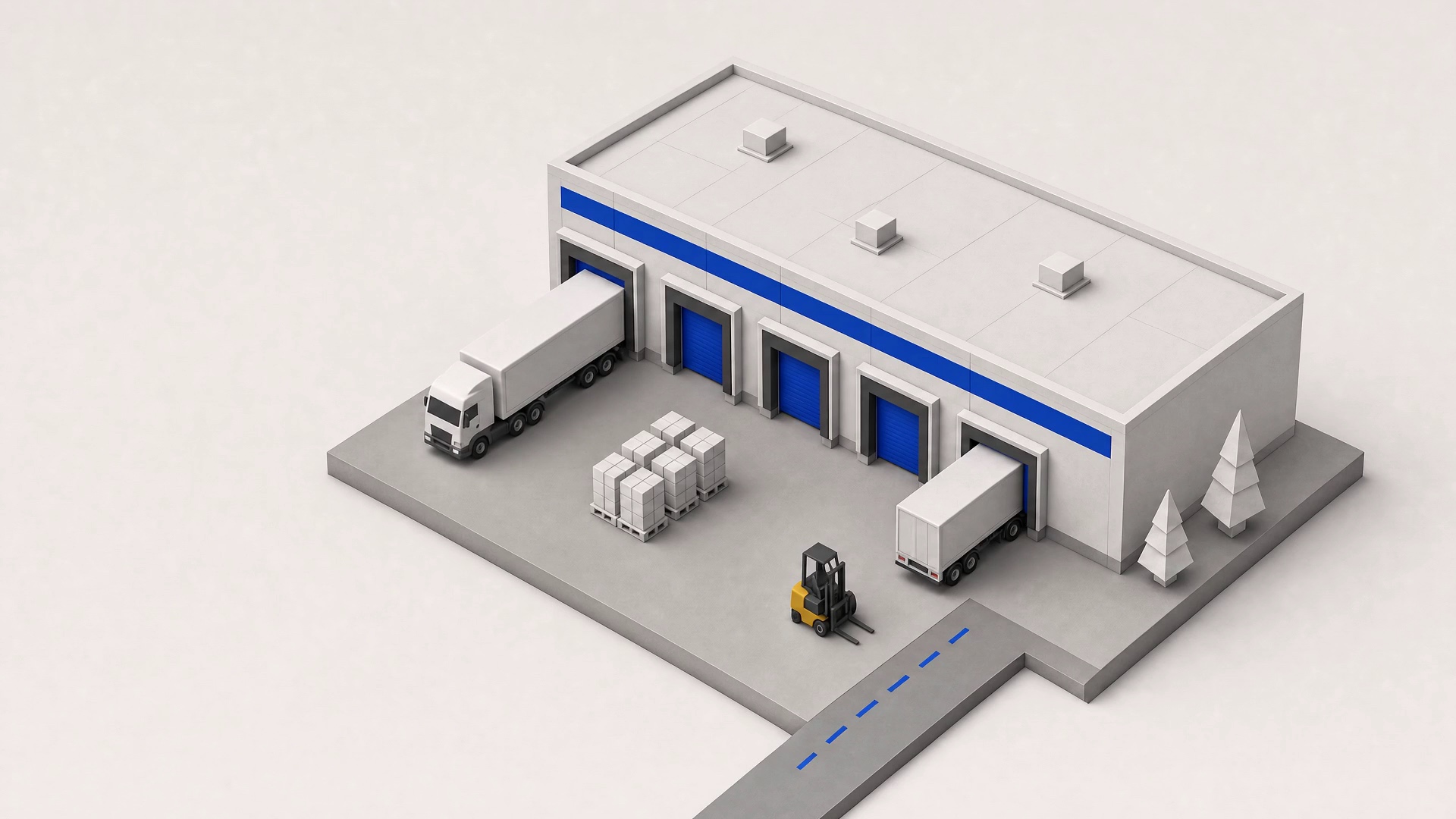
LTL shares trailer capacity with other shippers. Compare it for smaller loads, allowing for the handling and receiving requirements along the route.

LTL and FTL freight for replenishment and bulk distribution in Canada and the US. Plan the lane, receiving requirements and onward orders together, with shipment visibility through the client portal.
The choice is usually decided by how much of a truck your freight takes up, and the crossover comes sooner than most shippers expect.
Not sure which your freight is? Compare LTL and FTL properly , or send us the lane and the load and we will tell you.
Less than truckload
LTL shares trailer capacity with other shippers. Compare it for smaller loads, allowing for the handling and receiving requirements along the route.
Full truckload
FTL reserves a trailer for your movement. It can suit larger loads or freight that benefits from less intermediate handling; compare the lane cost and dispatch timing with LTL.
Four things. Gather them and the answer comes back on your lane rather than as a range, and none of them takes more than a sentence.
Origin and destination, at least to the city. A lane price is a price for that lane, the same pallet costs differently on a different pair.
Pallet count, rough weight, and whether it stacks. Stackable freight and freight that cannot be topped take different amounts of a trailer for the same pallet count.
A one-off, a monthly run or a standing weekly lane. Repeating volume is priced differently from a spot move, and the crossover between LTL and FTL shifts with frequency.
LTL is loaded, cross-docked and re-loaded on the way through. If your freight does not want that, say so: it is usually the fact that decides the mode.
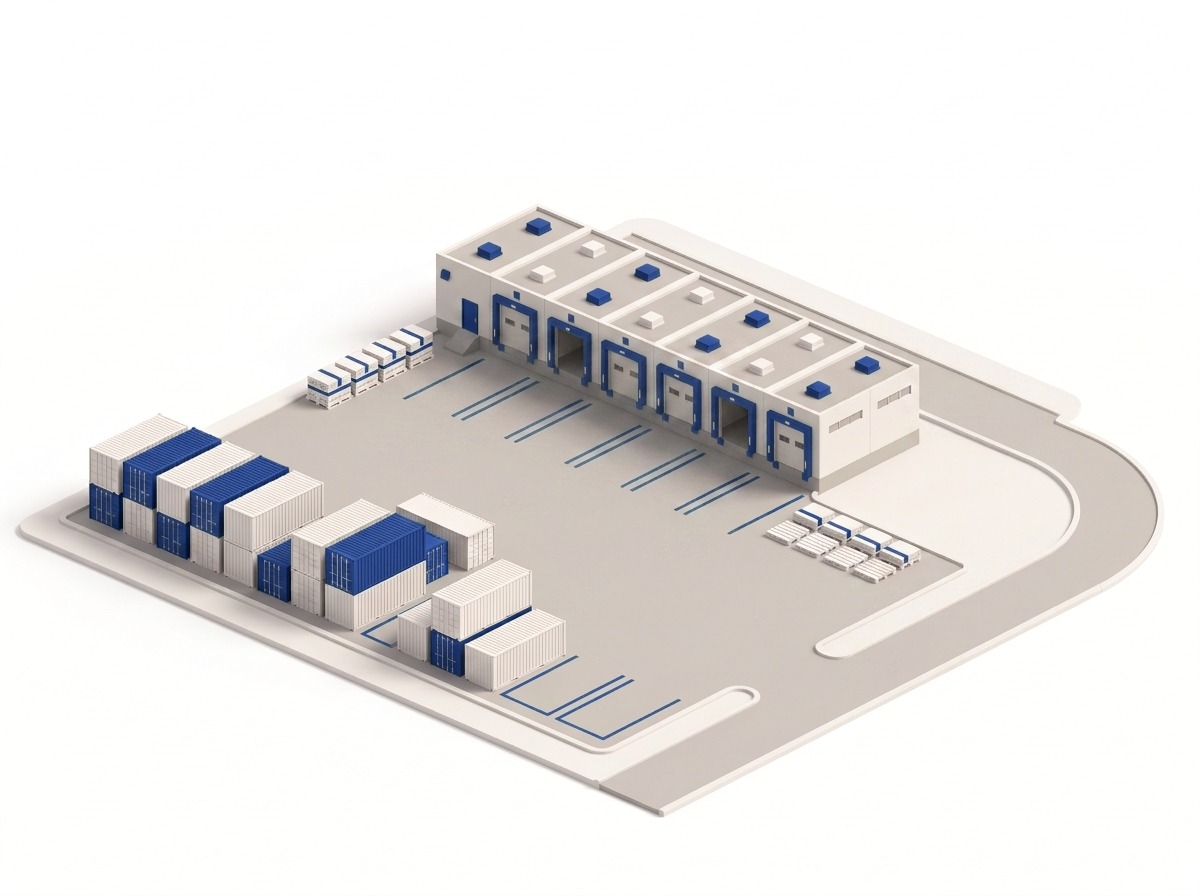
A warehouse puts freight away and picks it again to get it out of the building. A cross-dock does not: inbound trailers come onto doors on one side, the freight is broken down and re-staged in lanes on the floor, and it goes back out on doors on the other side.
Cross-docking stages suitable inbound freight for its next outbound movement without a storage cycle. Agree the receiving and onward transport plan before the load arrives.
Inbound freight broken down and re-staged for onward movement, rather than put away and picked again to leave the building.
Receiving appointments are planned against dock capacity. Confirm the booking, unloading needs and detention terms before the trailer arrives.
A freight leg reports into the same record as the parcel that follows it, so a delayed pallet and a late delivery are visibly the same event.
Quoted on the origin, destination and shape of your freight rather than against a list rate you then negotiate down from.
500+ Vehicles in the fleet
Origin, destination, roughly what is moving and how often. We price against the lane rather than against a list rate, so a real example is worth more than a rate card.