
Which one is your freight?
Most guides answer this with a pallet count. The real answer depends on your lane, how your freight is built and how often it moves, so here is how the two actually differ, and what tips the balance.
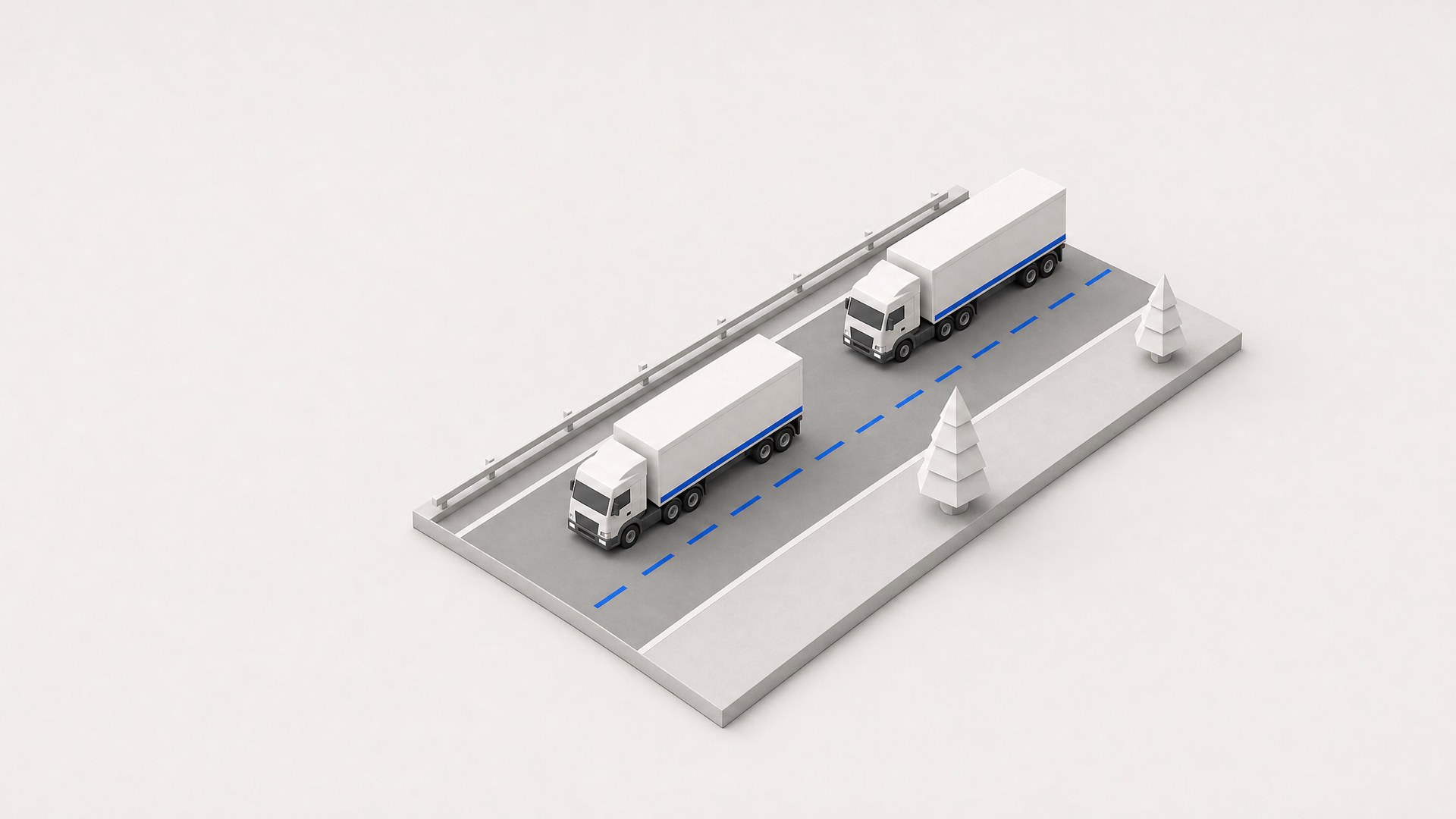
The two modes on the dimensions that matter
Compare capacity, handling and lane costs before deciding how the load should move.
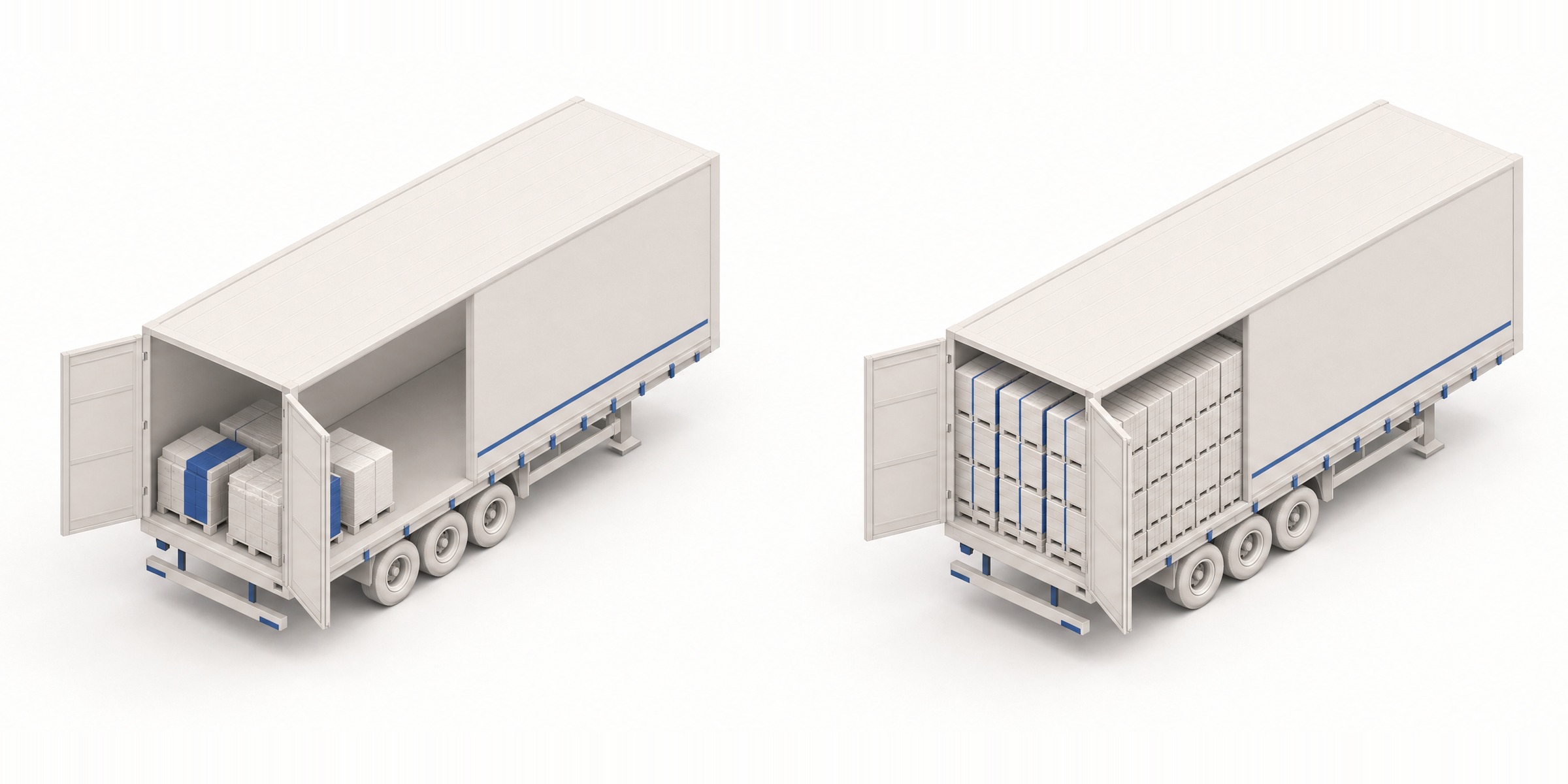
| Dimension | LTL | FTL |
|---|---|---|
| What you are buying | Space on a trailer that other shippers are also using. | The trailer, for the whole move. |
| How it is handled | Loaded, cross-docked and re-loaded as the trailer is consolidated. More touches means more opportunities for damage, which is why LTL freight has to be packaged for handling rather than just for transit. | Direct FTL usually involves loading at the origin and unloading at the destination, reducing intermediate handling compared with a consolidated LTL route. |
| How the cost behaves | Price depends on dimensions, weight, lane and handling requirements. Additional pallets change the total; the cost per pallet does not follow one universal pattern. | Largely fixed for the lane. The cost per pallet falls the more of the trailer you use, which is what makes a part-empty truck feel expensive and a full one cheap. |
| Where it usually wins | Regular, smaller consignments: replenishing a store, a retail order that is not a full load, or freight you would otherwise hold back waiting to fill a truck. | Larger or time-sensitive moves, fragile freight you would rather not have re-handled, and anything where the whole load has one origin and one destination. |
Where LTL stops making sense
The crossover depends on the lane, load dimensions and handling requirements. Price both modes when the shipment is growing.
Handling costs more than space
The instinct is to compare the two on volume, but a lot of the difference is touches. Freight that is awkward, fragile or stacked badly gets expensive in LTL well before it fills a truck, because every consolidation point is another lift.
A part-full truck can still be cheaper
Shippers hold freight back to "fill the truck" and miss that FTL can win before the trailer is full: often earlier than expected on a lane the carrier wants. It is worth pricing both rather than assuming.
Frequency changes the answer
The same weekly volume moved as one FTL and as three LTL consignments are different problems with different costs. Consolidating what you already ship is usually the first saving available, before anyone negotiates a rate.
What shippers ask about freight
What do you need from us to quote a lane?
Do we need to know our freight class before asking?
Can you move freight and then deliver the parcels?
What happens if the truck arrives and cannot be unloaded?
Do you handle cross-border freight?
How is this tracked?
Send us the pallet, not the guess.
Dimensions, weight, lane and frequency. We will tell you which mode your freight is and price it against the lane.