
Warehousing services in Canada and the US
Stock that is difficult to locate or count creates problems well beyond the warehouse. Ecom provides bin-addressed storage, inventory records and cycle counting. Use warehousing on its own or connect it to order fulfillment, based on how your business ships.
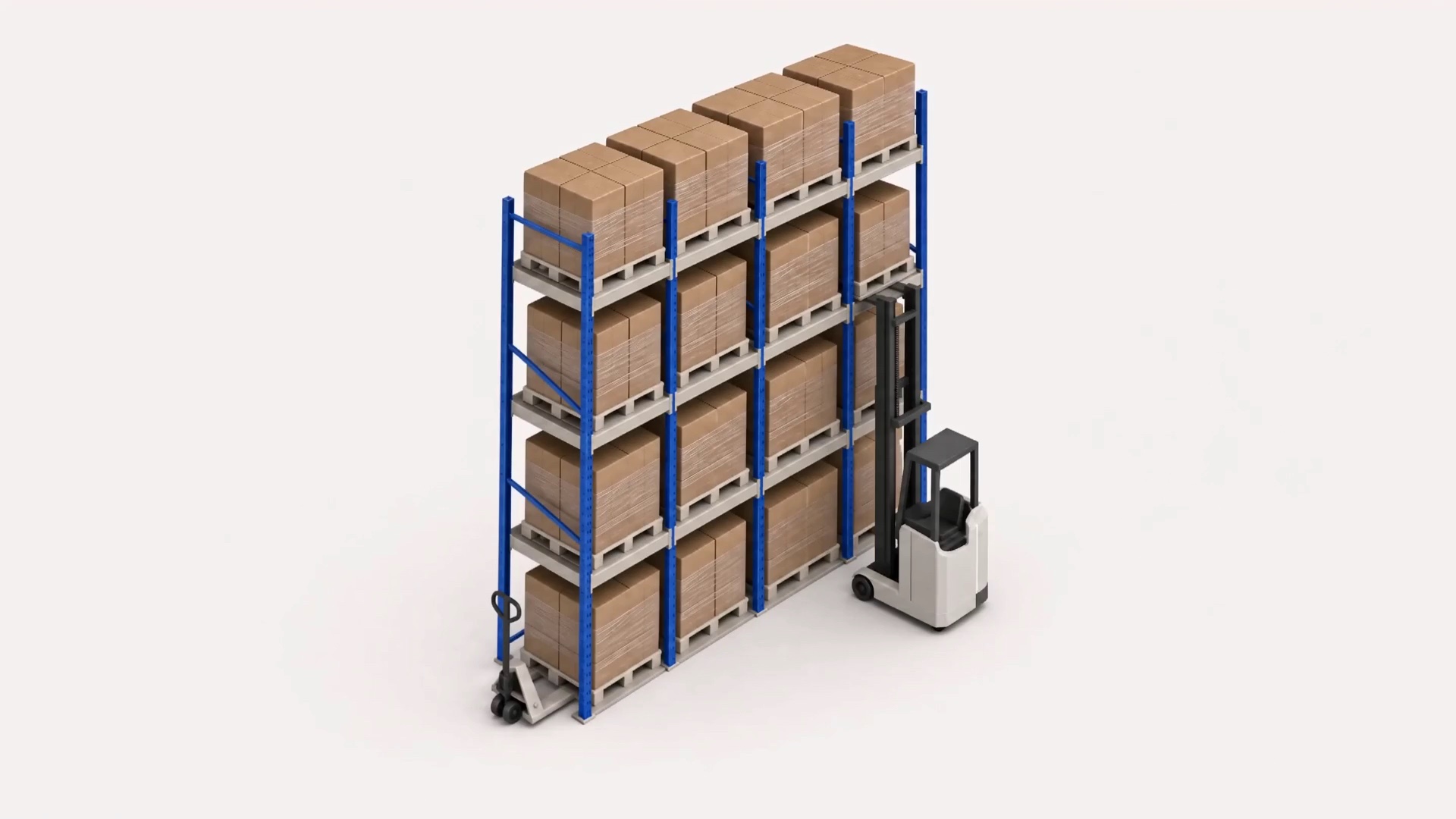
What actually happens to a pallet
-
Receiving and put-away
Inbound quantities are checked against the expected shipment, and discrepancies are recorded before stock is put away to a warehouse location.
-
Scanned at every touch
Scanned movements update the inventory record, giving your team a view of stock as it is received, moved and allocated.
-
Pick faces kept separate from bulk
Bulk stock and picking locations serve different purposes. Replenishment is planned around the SKUs being picked and the reserve stock available.
-
Scheduled cycle counts
Cycle counts check sections of inventory during the operating schedule, helping the team investigate differences between the physical stock and the recorded count.
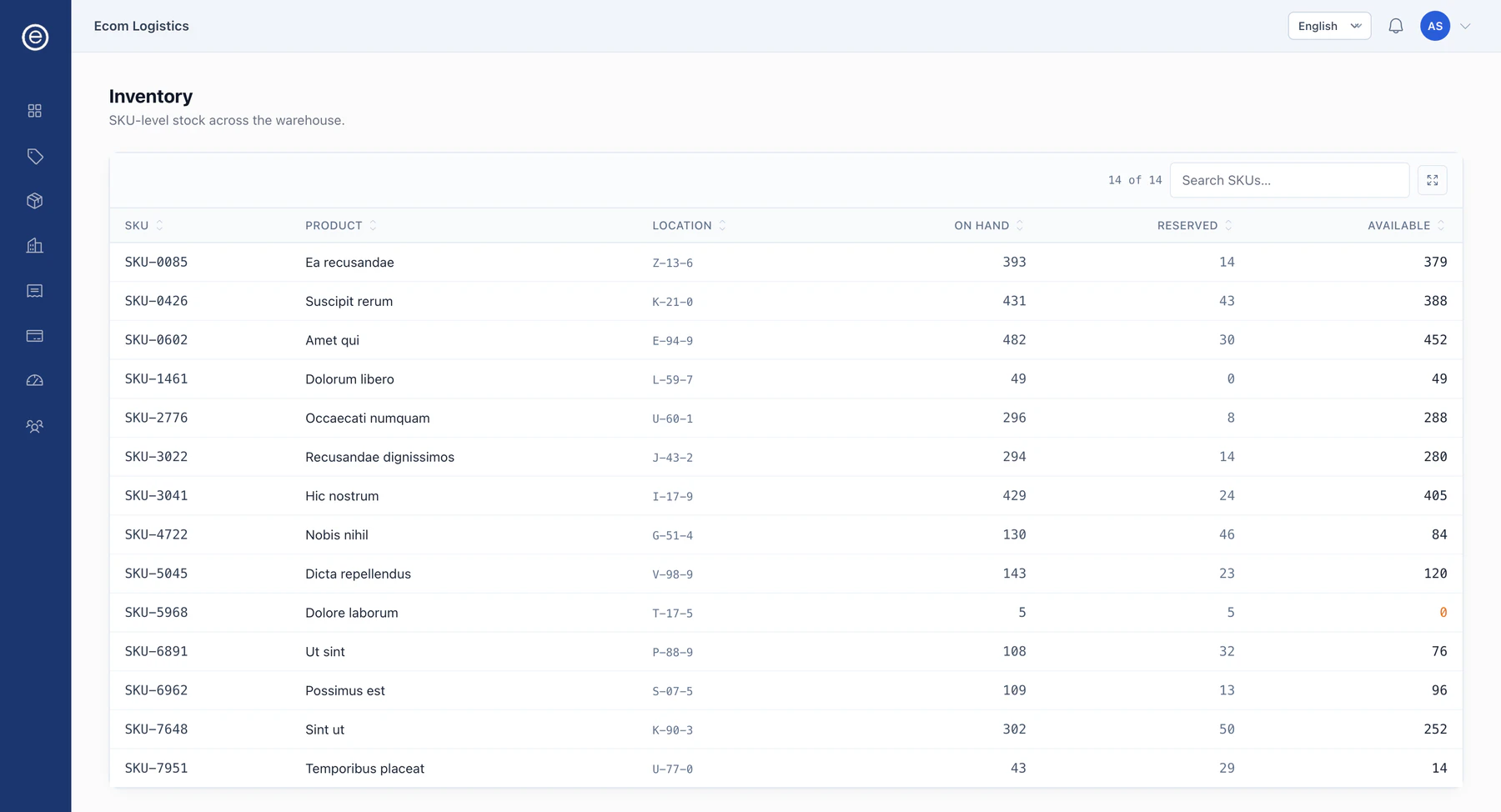
The count, as you see it
The portal distinguishes stock on hand, stock reserved for open orders and stock available to sell. Cycle counting helps the warehouse investigate variances before they affect more orders.
Cross-docking and transloading
Allocated freight may not need a storage cycle. Cross docking moves suitable loads from inbound receiving to an outbound shipment, while transloading transfers goods between transport units. The receiving details and onward capacity need to be agreed before the load arrives.
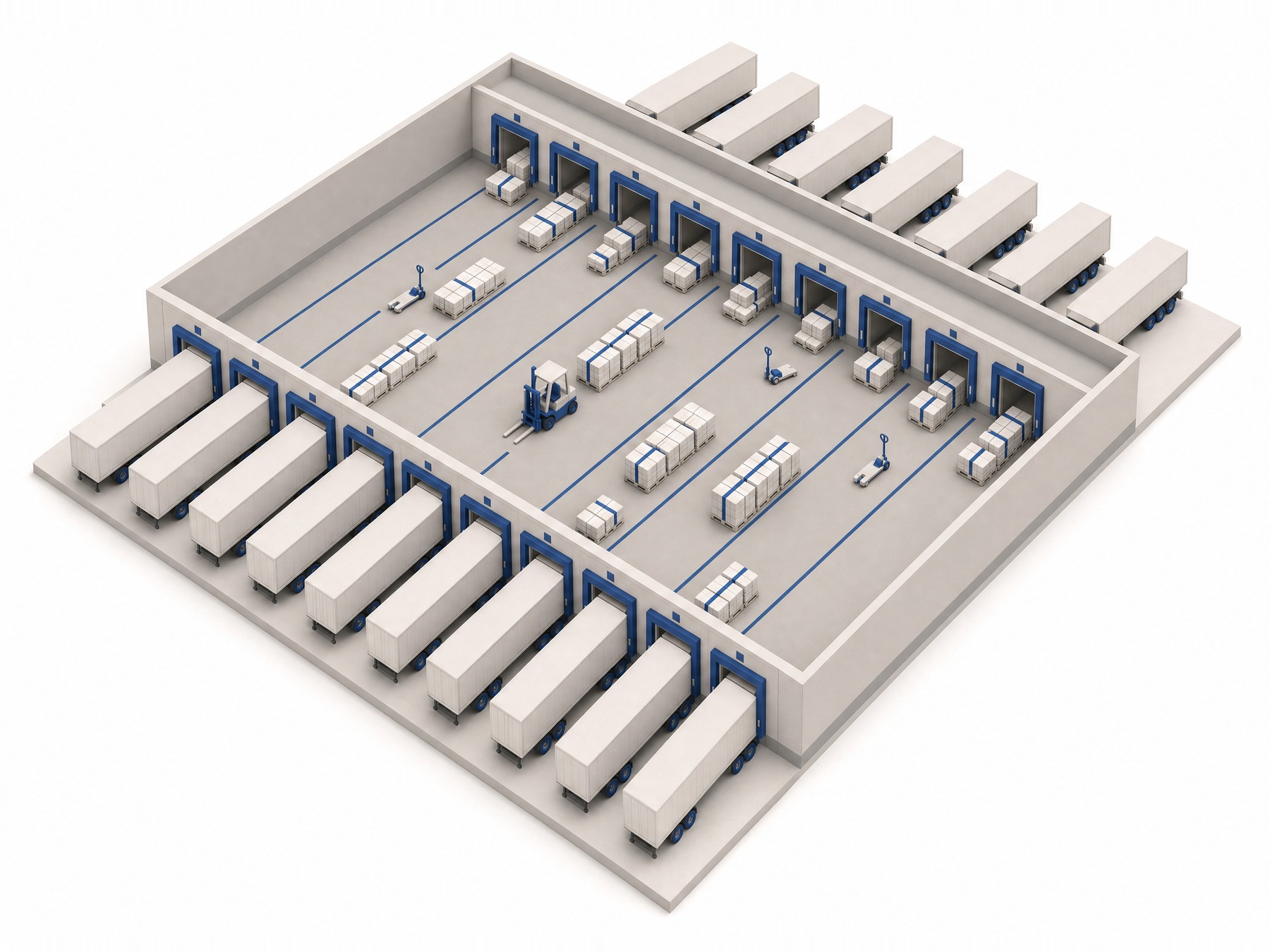
- Inbound containers or trailers broken down and staged for the planned outbound movement.
- Retail-bound freight consolidated to the destination rather than the origin.
- Movements between our own sites are a linehaul we run, so a cross-dock is a leg rather than a handoff.
What shippers ask about storage
Can I use storage without using fulfillment?
How much space can I have?
How is storage charged?
Do you hold stock in more than one location?
What condition is the space, and what will you not store?
Racked, scanned and counted
23M+ Packages delivered
- 3
- services on one network
- 2
- countries served
- 1
- operations team
Fulfillment, freight and last-mile delivery, run on a single system of record.
Canada and the United States, covered by the same network and the same operations team.
The team that receives your stock is the team that answers when a shipment needs attention.
Where to go from here
Tell us what you need to hold.
SKU count, pallet positions and how fast it turns. We come back with how we would rack it and a quote against your volume.