
CPG fulfillment for retail and D2C orders
Selling direct and selling into retail are the same inventory and completely different operations. The retailer publishes the rules, changes them per account, and charges you when they are not followed.
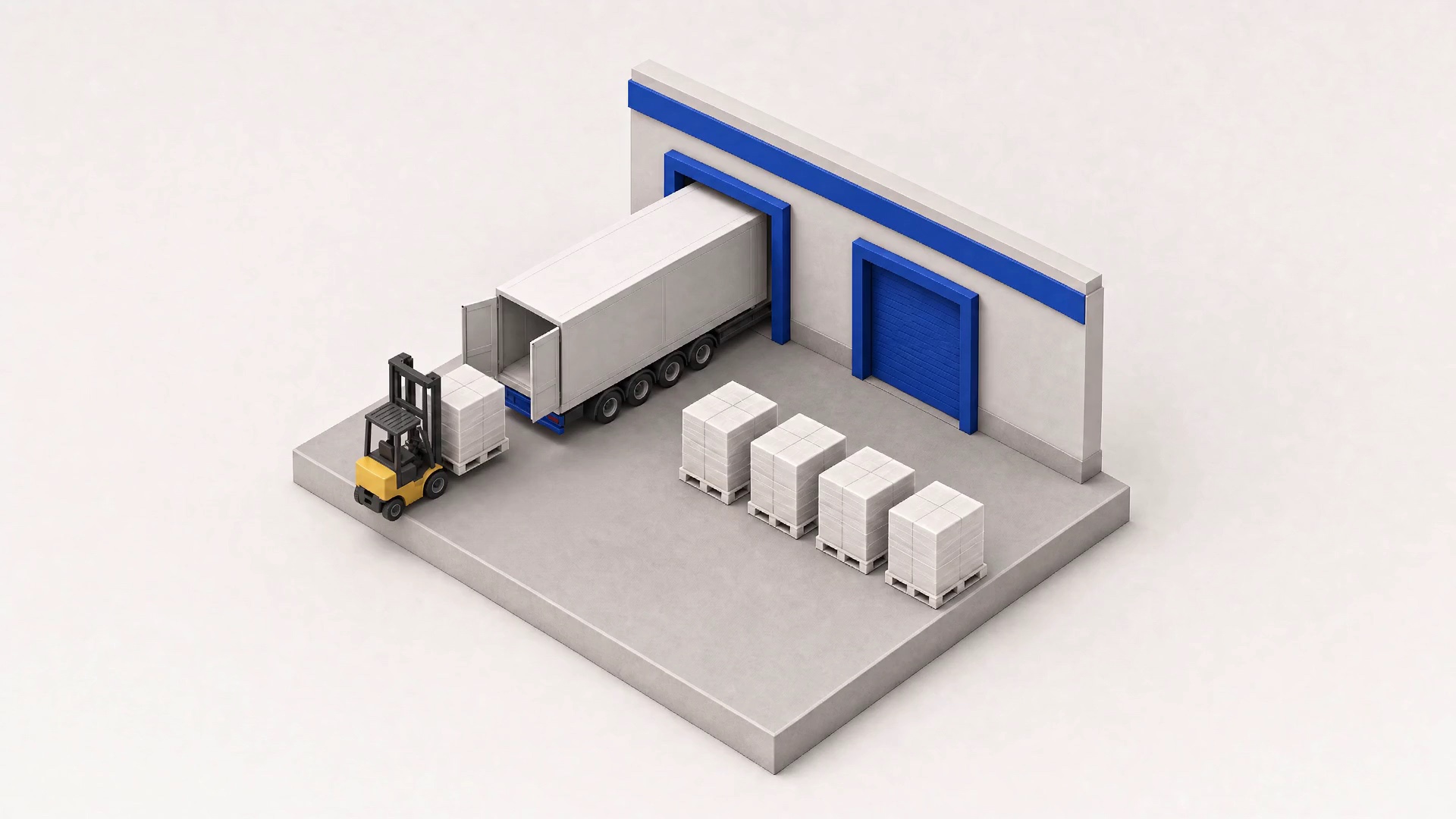
What changes here
Cases and pallets alongside single units, retailer routing guides that differ per account, and promotional packs that need building ahead of a date somebody else set.
- The routing guide is the specification
- Carton labelling, pallet pattern, appointment booking, paperwork and the order they have to arrive in are set by the retailer and differ per account. Running two accounts is running two specifications off one shelf, and the difference has to be built into how the order is picked rather than checked at the door.
- A chargeback is a process failure with an invoice attached
- Retail penalties are not really about the money on the debit note. They are the retailer telling you the same thing will happen again next time. Each one traces back to a step, which is where it gets fixed.
- One count, two channels
- Retail purchase orders and website orders draw on shared stock. Allocation rules need to protect committed retail quantities while keeping storefront availability accurate.
- Promotional packs are their own operation
- A display, a multipack or a seasonal bundle is a build, against a date the retailer set months ago. It happens ahead of the window as its own SKU, the way a subscription box does, not during the pick.
The paperwork is the product
Retail fulfillment has a different definition of a complete order. The goods need the correct documents and pallet preparation, and they need to arrive at the receiving appointment. A fast pick cannot make up for a shipment the retailer refuses.
- A purchase order, an advance ship notice and an invoice are one transaction, not three unrelated messages.
- Retail and direct orders run through the same record, so the count is not reconciled by hand at the end of the month.
- Build retailer requirements into the picking plan, then check the prepared shipment before loading.
Four questions worth asking any provider
Use these questions to compare providers, including Ecom. Ask for the process and documentation that apply to your products.
-
01
Can you run a different routing guide per retail account off the same stock, or is there one house standard?
-
02
Which EDI transactions do you handle yourself and which do you expect my system to send?
-
03
When a chargeback lands, who traces it, and do I see the step it came from?
-
04
How is stock allocated between a retail purchase order and my storefront?
Where this goes next
Other sectors
Bring us a routing guide.
Tell us which retailers you serve, what your direct volume looks like alongside it, and we will tell you how we would run both off one pool of stock.