
Supplement fulfillment starts with lot and expiry requirements
Dated inventory needs a plan for the shelf life your customers receive. Before stock moves, establish how lots, expiry dates and product restrictions will be recorded, and how the warehouse should handle a hold or withdrawal.
What changes here
Bring your product class, shelf life and lot data to the fulfillment discussion. The receiving and picking plan needs to reflect those requirements before the first inbound shipment.
- First expired, first out, not first in
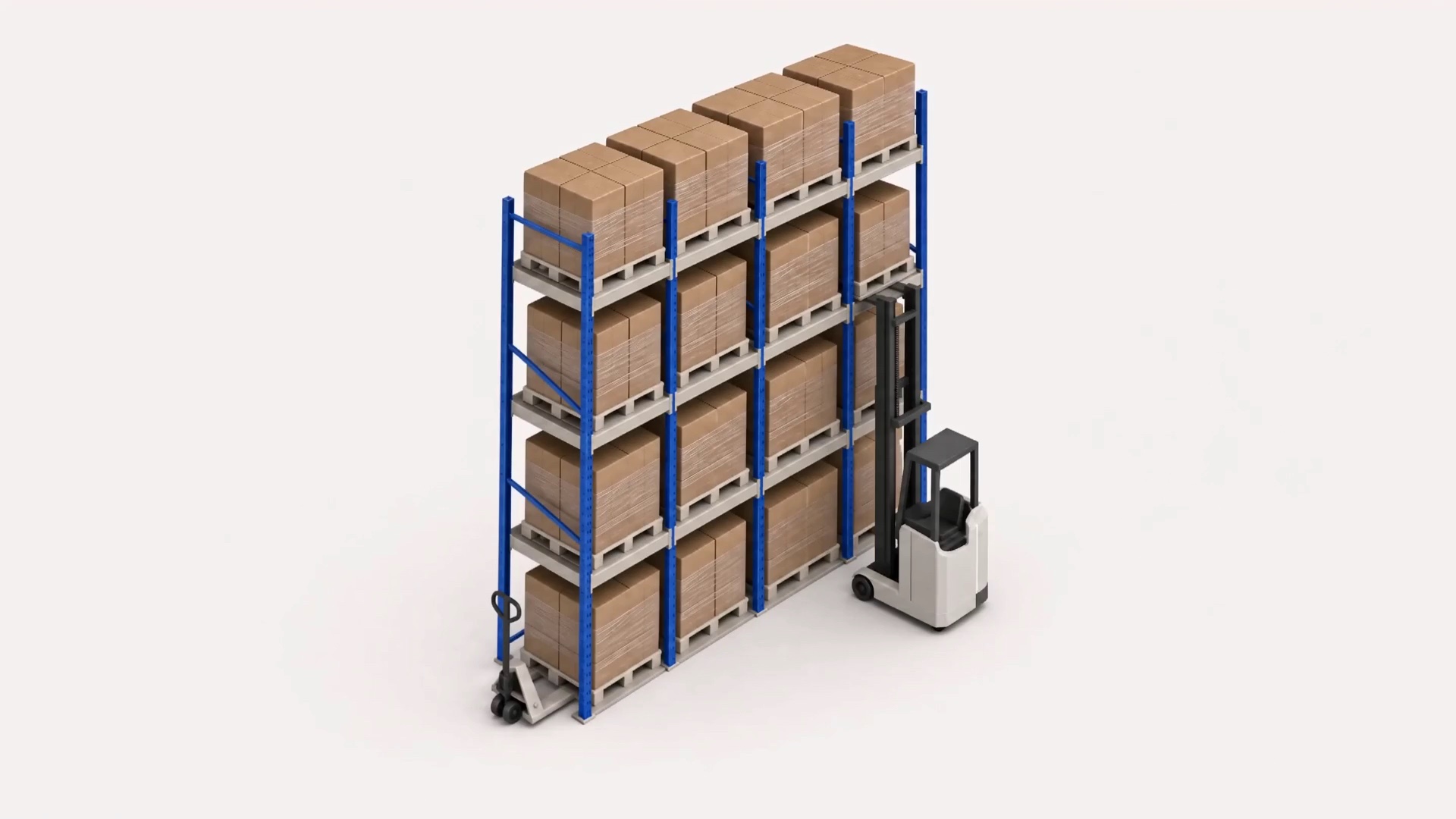
- FIFO picks by the date the stock arrived. FEFO picks by the date it expires. On dated stock those are different units, and the difference is the shelf life your customer receives. A receipt in June with a shorter date than one from March goes first.
- A lot has to be an address, not a note
- Confirm where the lot is captured at receiving and whether it follows the order through picking and dispatch. A pallet label alone may not provide the searchable history your business needs.
- Pull one lot, not the shelf
- The question a recall asks is narrow: where did this lot go and what of it is still here. Answering it should quarantine one lot and leave the rest sellable, which is only possible if the lot was tracked before anyone needed it.
- Short-dated stock is a decision, taken early
- Agree how short-dated stock will be identified and reported, and who decides whether to promote, hold or remove it. That decision needs time before expiry, rather than arriving as a surprise at the packing bench.
What to establish before you choose anyone
Supplements and natural health products sit under rules about who may store and handle them, and the answer is specific to the site, the product class and what is being done to it. Every provider on your list should be able to tell you in one sentence what its buildings are licensed and registered to do, and you should ask us the same question rather than infer it from a web page.
- Ask each provider what its sites hold, for which product classes, and get it in writing before stock moves.
- Ask what happens to your lot data if you leave, because a lot history you cannot export is a lot history you do not own.
- Ask how quickly they can answer a lot enquiry, and whether the answer is a report or somebody walking the floor.
Four questions worth asking any provider
Use these questions to compare providers, including Ecom. Ask for the process and documentation that apply to your products.
-
01
Do you pick FEFO or FIFO on dated stock, and can you show me which?
-
02
Is the lot captured at receiving, and does it stay on the unit through picking and dispatch?
-
03
If I need one lot quarantined this afternoon, what happens, and what stays sellable?
-
04
What licences and registrations do your sites hold for my product class?
Where this goes next
Other sectors
Tell us what you make.
Share your product class, shelf life, lot sizes and inbound format. We will review site eligibility and the receiving, inventory and picking requirements before proposing a plan.