
Warehousing and distribution for manufacturers
Manufacturing orders often move as cases or pallets rather than individual parcels. Start with the stock, storage and freight requirements, then review the documentation and handling each customer needs.
What changes here
Fewer, larger orders, freight in and freight out, and B2B paperwork rather than parcel labels. Usually a warehousing and distribution conversation before it is a fulfillment one.
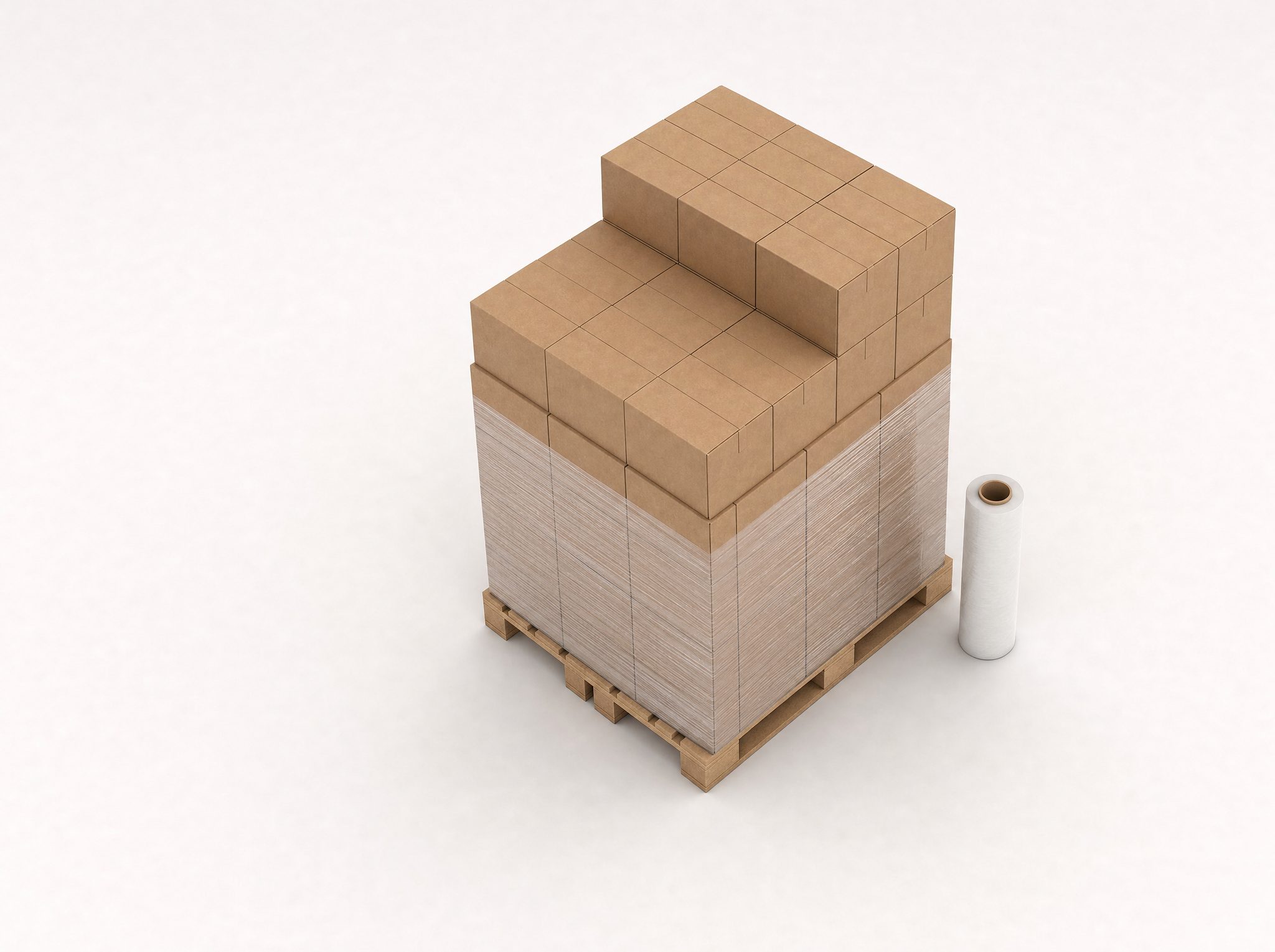
- The outbound unit is a pallet
- Picking a pallet and picking a parcel are different operations with different equipment, different labour and different economics. If almost everything you ship leaves on a pallet, per-order fulfillment pricing is answering a question you did not ask.
- Freight in as well as freight out
- Inbound is a real part of the work: containers or trailers arriving, receiving at volume, and put-away that does not lose a week of throughput. It belongs in the same conversation as the outbound leg rather than being assumed.
- The paperwork is commercial
- Purchase orders, bills of lading, packing lists and the customer's own receiving requirements, rather than a carrier label and a tracking number. Which of it we handle and which stays with you is worth settling before the first shipment.
- Space is the first question
- How much, in what configuration, for how long, and what happens when it changes. Everything else follows from that, which is why this usually starts on the warehousing page rather than here.
Where this conversation usually goes
For larger industrial shipments, storage and freight may matter more than parcel fulfillment. Use the warehousing and LTL/FTL pages to review those services, then share your product and handling requirements so we can confirm the fit.
- Storage, racking and put-away at volume are on the warehousing page.
- Inbound and outbound freight, full and part loads, are on the freight pages.
- If part of your volume does ship as parcels, that runs off the same stock and the same record as the pallets.
Four questions worth asking any provider
Use these questions to compare providers, including Ecom. Ask for the process and documentation that apply to your products.
-
01
How much space do I need, in what configuration, and for how long?
-
02
What does receiving a container or a trailer look like, and how fast is it put away?
-
03
Which documents do you produce and which stay with me?
-
04
If some of my volume ships as parcels, does it come off the same stock?
Where this goes next
Other sectors
Start with the space.
Tell us the volume, the configuration and the freight either side of it. If warehousing and freight are the answer we will say so rather than sell you a fulfillment contract.