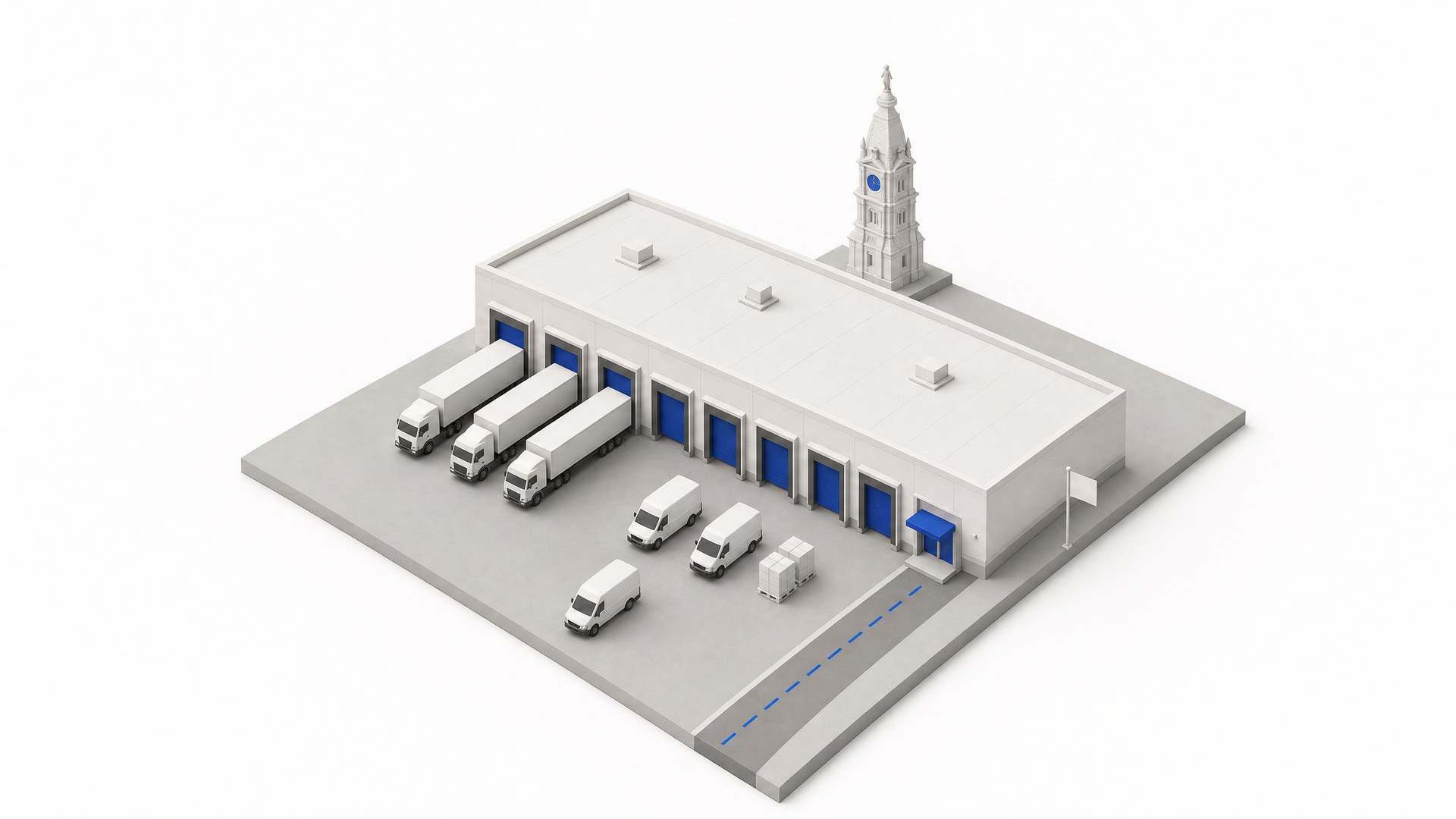
Stock sits here
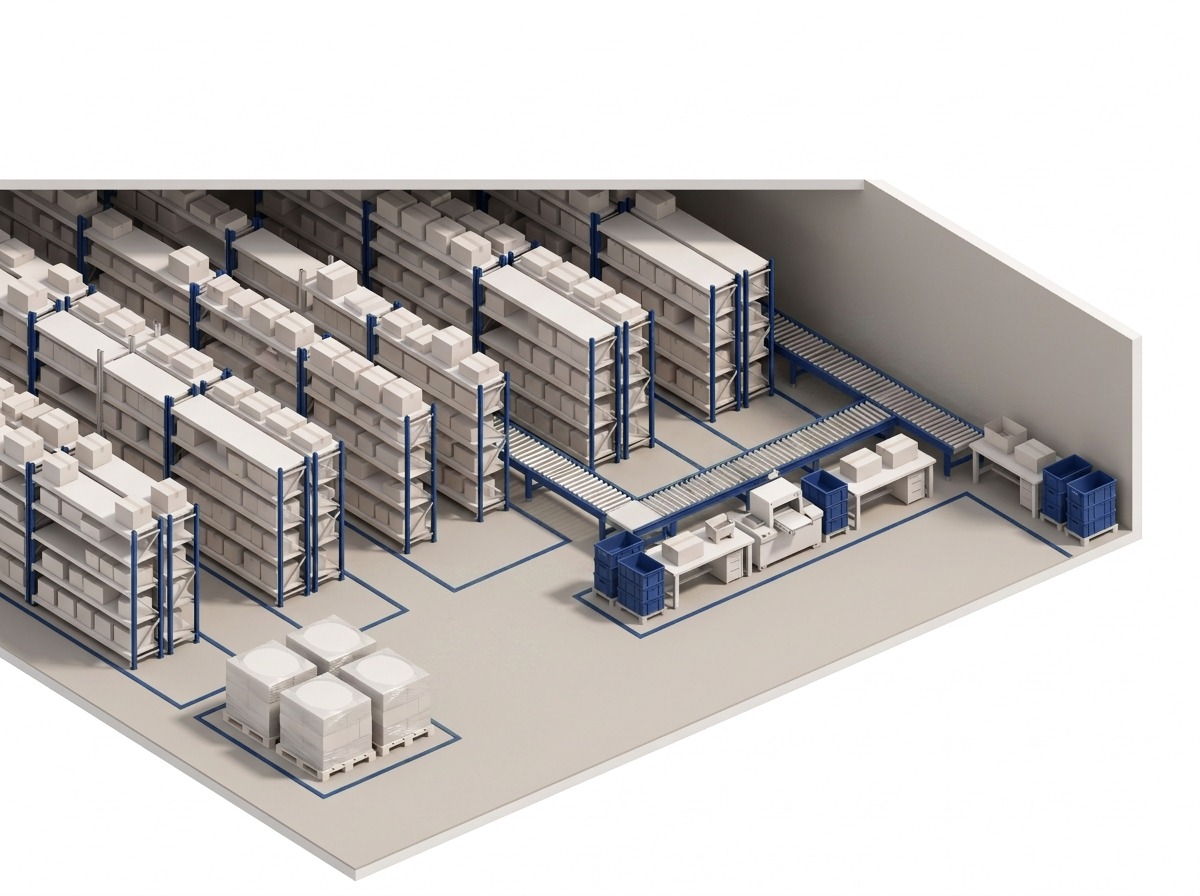
Receiving, put-away, picking, packing and returns run through warehouse records. Bin locations and scan checks help the team locate stock and investigate discrepancies.

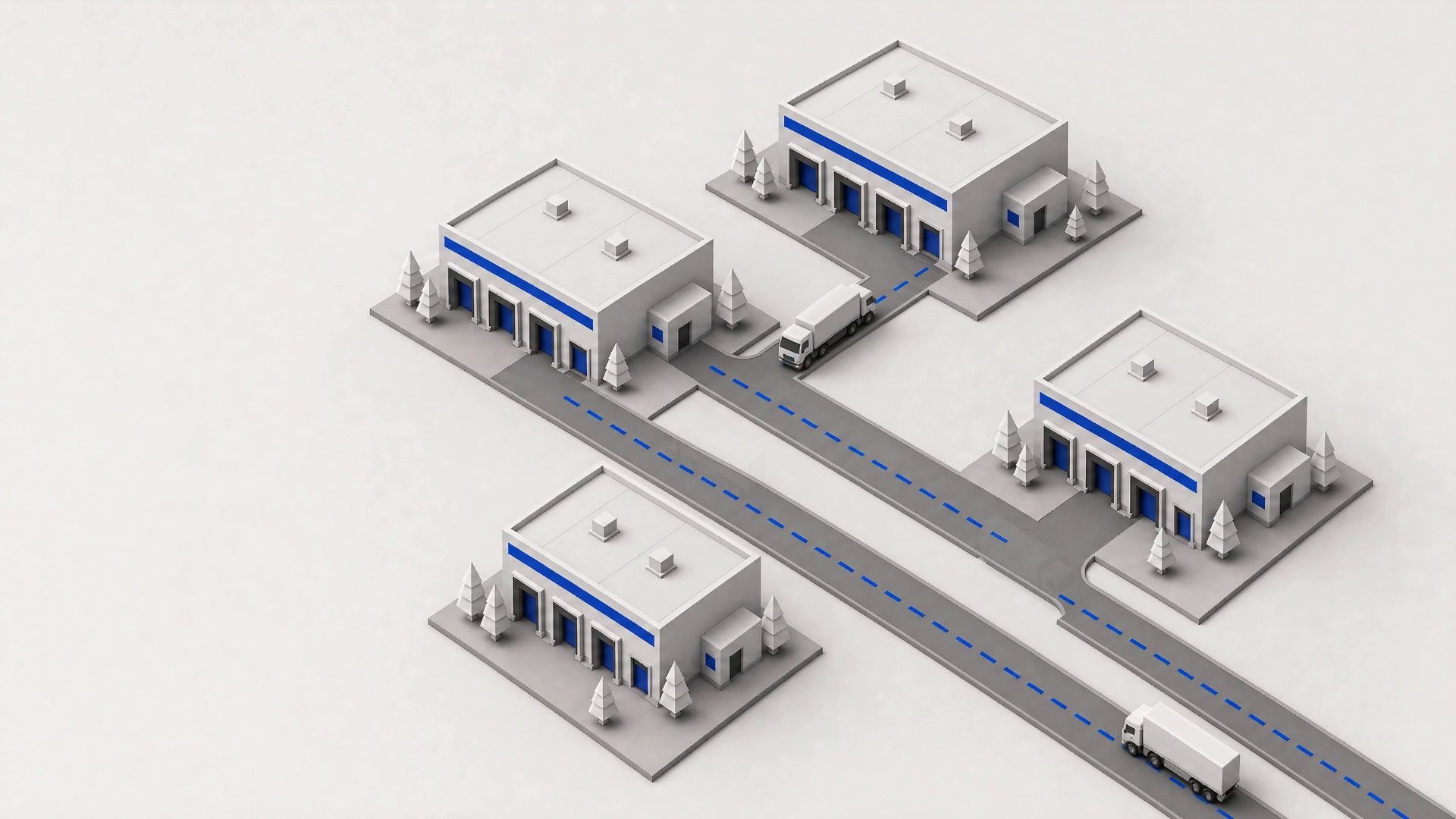
Three in Canada and one in the United States. Stock sits in all four, last-mile routes leave from all four, and the freight between them is ours. Here is where they are, to the street.
Fulfillment and last-mile, in the same building, all four
The tinted province or state is the one each building physically sits in. It is not a delivery area, see below.
4 facilities 2 countries
The same site holds your stock, sends the routes out and hands freight to the next leg. That is the part a network of separate vendors cannot do.
Receiving, put-away, picking, packing and returns run through warehouse records. Bin locations and scan checks help the team locate stock and investigate discrepancies.
Fulfillment and delivery are planned together where Ecom operates local routes. Carrier shipping supports orders that need another outbound service.
Freight supports replenishment between facilities, including Canada–US movements. The plan accounts for receiving requirements and customs before stock leaves.
Which one your order takes is a decision made per shipment, not per warehouse. All three run from all four buildings.
Ordered today, delivered today
Collected from the facility holding your stock and delivered inside the day, on routes built against that day's actual volume.

Ordered today, delivered tomorrow
The default for regional and business deliveries, where overnight is the expectation rather than an upgrade.

Air on the long leg, delivery at the destination
Shipments move by air into a distant market, then enter local delivery. The service plan is agreed against your actual lane.

For orders without a same-day or next-day promise
A ground service for volume where cost matters more than an urgent delivery window.
The question everybody asks about a map like this, and the one it deliberately does not answer.
Warehouse locations are a starting point for stock placement. Delivery eligibility also depends on the customer address, service level and dispatch schedule.
Review transit expectations and cutoffs for the lanes you plan to use. If you need delivery-performance figures for procurement, request the current report and its measurement period.
Send your destination mix and required delivery services. We can assess which orders use Ecom routes, which use carriers and where inventory should be held.
You already know all four. With them we can tell you what these buildings do for your addresses, which is the question a map cannot answer on its own.
The provinces and states that take most of your volume, roughly in order. Not a full postal-code list: the top handful is usually enough to tell you whether four buildings is the right shape for you.
Whether it is evenly spread or concentrated around one or two metros. A concentrated book and a scattered one get different answers from the same four sites.
Same-day, next-day, Air Skip and standard ground meet different shipping needs. The right mix depends on destination, available stock and the timing your customers expect.
Monthly order count and whether there is a season. A network answer that ignores your peak is an answer about your quiet months.
Where your orders go and how they split. You get an answer for your addresses rather than a national average.